
Home › Blog › How Pencil Quality Affects Handwriting Improvement in Children
HANDWRITING TIPS

How Pencil Quality
Affects Handwriting
Improvement in Children
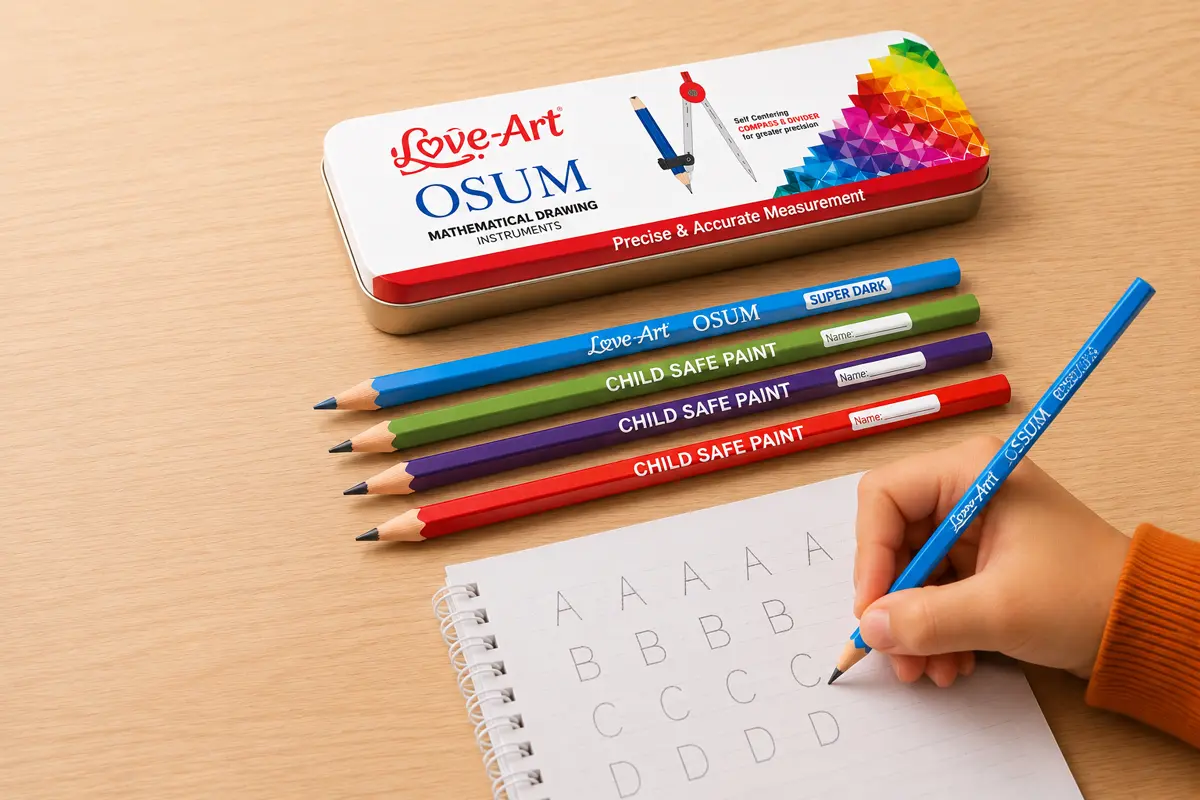
An educational collaboration between Love Art and Younglabs
Discover how pencil quality influences handwriting improvement, pencil grip, writing comfort, and letter formation. Learn how the right pencil supports better handwriting habits in children.
handwriting pencil

Introduction

Good handwriting is an essential life skill that supports a child’s confidence, academic success, and creative expression. While regular practice and proper guidance play a significant role, one important factor is often overlooked—the quality of the pencil itself.

This article is brought to you through a collaboration between Love Art, a trusted brand committed to inspiring creativity through quality stationery, and Younglabs, an education platform dedicated to helping children build strong handwriting and foundational learning skills. Together, we believe that better handwriting begins with the right guidance and the right writing tools.

Whether your child is just beginning to write or looking to improve handwriting skills, understanding how pencil quality influences comfort, grip, pressure, and writing confidence can help make every practice session more effective.

Why the Right Pencil Matters More Than You Think

Many parents invest in handwriting workbooks and extra practice sessions but rarely consider whether the pencil itself is helping or hindering their child’s progress.

A good-quality pencil offers:

  • Smooth and consistent writing
  • Better grip and control
  • Reduced hand fatigue
  • Improved letter formation
  • Greater confidence during practice
At Love Art, every pencil is thoughtfully designed to provide a comfortable writing experience that supports young learners as they develop their handwriting skills.

Not All Pencils Create the Same Writing Experience

When choosing a pencil for school or everyday handwriting practice, consider these important quality factors:
  • Smooth graphite leads for uninterrupted writing
  • Balanced wood for easy sharpening and durability
  • Comfortable grip area for young hands
  • Consistent darkness without requiring extra pressure
  • Strong lead that resists breakage
A well-designed pencil helps children focus on learning and expression instead of struggling with the tool.

Choosing the Right Pencil for Your Child

Love Art offers a range of premium pencils, sharpeners, erasers and school stationery designed to support comfortable handwriting practice.

Designed for Kids

Ergonomic and easy
to hold for better
control

Durable & Reliable

Strong leads that
stay sharp and resist
breakage

Smooth Writing

Dark, consistent lines
for neat and clean
handwriting

Safe & Non-Toxic

Child-safe materials
you can trust

Trusted Quality

Loved by parents,
teachers and
students

Conclusion

Handwriting improvement is a result of the right combination of practice, guidance, and quality writing tools. The right pencil can make writing easier, more comfortable, and more enjoyable for children.

With Love Art and Younglabs by your side, every child can build strong handwriting habits and the confidence to express their ideas beautifully.

Explore our range of quality writing tools and help your child write a better tomorrow.
FAQs

Does pencil quality really affect handwriting?
Yes. Pencil quality influences writing comfort, pressure control, grip stability, and writing endurance. A smoother pencil often helps children write more comfortably and consistently.
Which type of pencil is best for handwriting practice?
For most children, a standard high-quality HB pencil with a comfortable grip and smooth graphite core works well. The ideal choice may vary depending on age and writing habits.
Can a bad pencil cause poor handwriting?
A poor-quality pencil is rarely the sole cause of poor handwriting, but it can contribute to excessive pressure, hand fatigue, inconsistent strokes, and reduced motivation to practice.
Why does my child press so hard while writing?
Children often press hard because of developing motor control, weak fine motor skills, improper grip, or pencils that require extra pressure to create visible marks. Identifying the cause can help improve handwriting efficiency.
Are mechanical pencils good for handwriting improvement?
Mechanical pencils can work for older children with developed handwriting skills. Younger children often benefit more from traditional wooden pencils because they provide better control and encourage proper pressure regulation.
Call Now Button